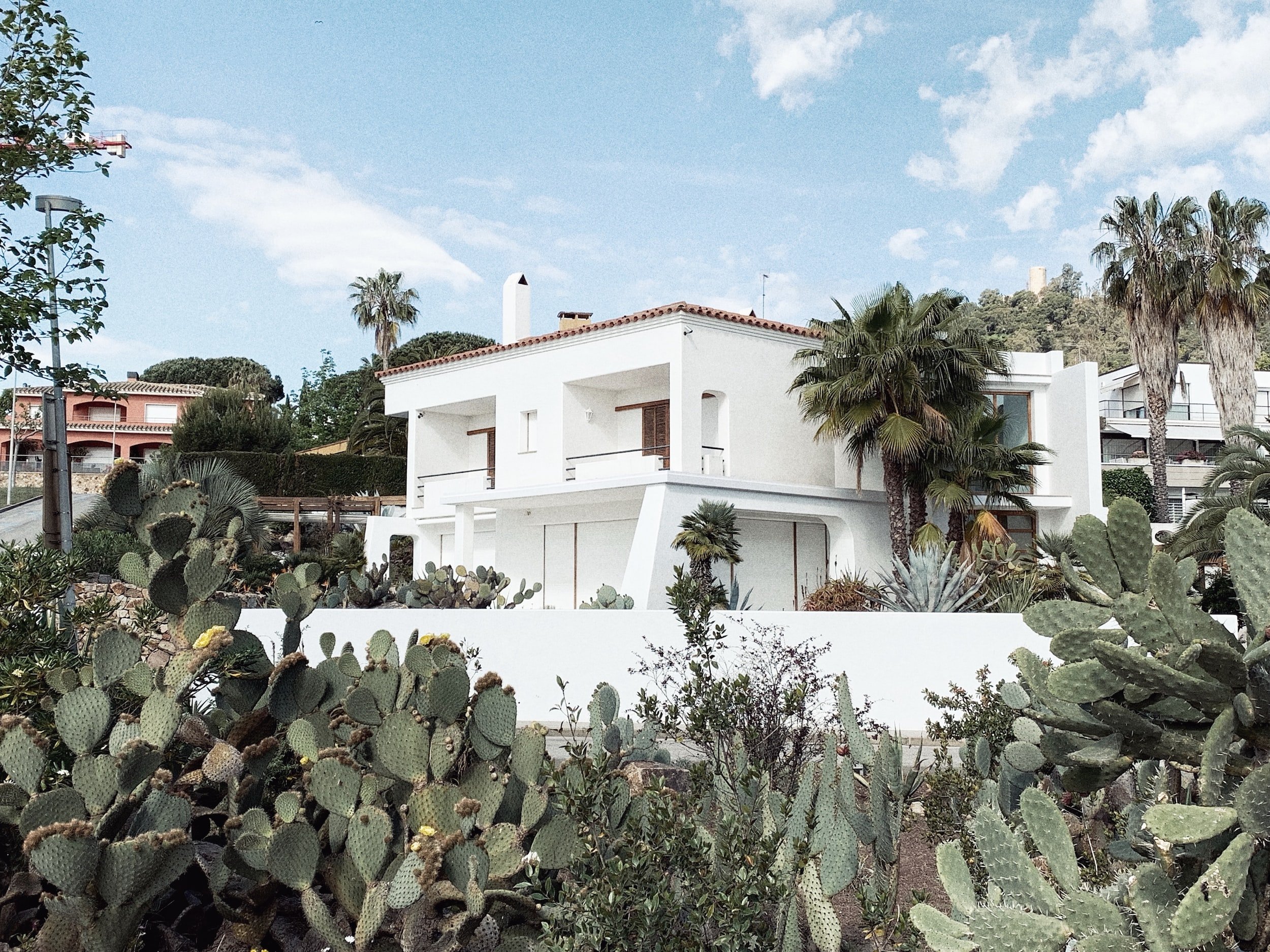
Australian residents are an under-served buyer cohort on the Costa del Sol. Smaller numbers than UK or German buyers, but a consistent flow — Sydney and Melbourne professionals taking long European postings, Perth and Brisbane retirees following European-born family back, AFL/NRL pre-season tours discovering Marbella. The Australia-Spain tax interaction has fewer rough edges than US-Spain (no FATCA-equivalent, no PFIC-style complexity), but it’s not a no-brainer either. The ATO’s worldwide-income net captures Spanish rentals and gains, and the dance between Australian super, Spanish residency, and the DTA’s tie-breaker takes thinking. This is the working 2026 guide for Australian residents buying or owning Spanish property.
Australia-Spain Double Taxation Convention
The Convention between Australia and Spain (in force since 1992, protocol updates through to 2014) governs which country has primary taxing rights.
| Income type | Primary taxing right | Mechanic |
|---|---|---|
| Spanish real estate rentals | Spain (Article 6) | Australia gives FITO for Spanish IRNR paid |
| Spanish real-estate capital gains | Spain (Article 13) | Australia gives FITO for Spanish CGT paid |
| Australian state pension to Spanish resident | Australia (Article 18, with caps) | Limited Spanish tax |
| Australian super (private pension) to Spanish resident | Country of residence with caps | Spain taxes, with credit for Australian withholding |
| Dividends | Both, with treaty cap | 15% on most cases |
| Interest | Both, with treaty cap | 10% |
The structure is similar to Canada-Spain or Spain-Singapore: Spain taxes Spanish-real-estate income and gains first; Australia adds top-up tax to align with Australian marginal rates, less FITO credit.
What you’ll pay on a typical Costa del Sol acquisition
Australian buyer purchasing a €1M Marbella villa, resale market:
| Item | Cost |
|---|---|
| Purchase price | €1,000,000 |
| ITP (Property Transfer Tax, Andalucía) | €70,000 (7%) |
| Notary fees | ~€4,000 |
| Land Registry fees | ~€2,500 |
| Lawyer fees (full conveyancing) | ~€10,000 (1%) |
| Spanish bank account opening (typical fees) | ~€500 |
| FX broker spread (vs retail bank) savings | save ~€7,500 on €1M |
| Total acquisition cost on top of price | ~€87,000 (8.7%) |
Add ~3% if buying new-build (10% IVA + 1.2% AJD instead of 7% ITP) = roughly 12.5% acquisition cost.
NIE number is mandatory — see our NIE guide. Australians can apply at the Spanish embassy in Canberra or consulates in Sydney, Melbourne, Perth, Adelaide; or in person in Spain. Allow 6–10 weeks for consular pre-application + appointment.
Currency planning — Australian-specific points
The AUD/EUR rate has moved 0.55–0.70 EUR per AUD over the past 5 years. A 5% move on a €1M purchase is €50,000 — bigger than most ancillary budgets.
1. Don’t use your retail Australian bank
CBA, NAB, ANZ, Westpac retail FX desks typically charge 1.5–2.5% on EUR conversions plus wire fees. On €1M, that’s AUD 25,000–40,000 of friction.
Better routes:
- Specialist FX brokers: OFX (Australian), Wise Business, Moneycorp. 0.4–0.7% spread, with forward-contract products to lock rates 6–12 months ahead.
- Interactive Brokers Norbert’s-Gambit equivalent: institutional spreads under 0.1% for self-directed buyers comfortable with the mechanics.
2. Forward-contract on signing the contrato de arras
The contrato de arras (10% deposit + 30–60 days to completion) is exactly the window where currency moves matter. Lock the EUR forward on signing, not at completion. Specialist brokers price 1–3 month forwards near-spot.
3. Open Spanish bank account before arras
Spanish banks need 4–8 weeks to onboard non-resident Australians (full KYC + ATO tax-residency cert + Catastro link if you’re already in talks on a property). Trying to do this concurrently with the arras-to-completion window creates avoidable stress.
Australian super — the awkward conversation
Australian superannuation (super) doesn’t have a Spanish-recognised equivalent. The Spanish tax view is shaped by whether the super pays out as pension (treated like a foreign pension income) or as a lump sum (treated like a capital event).
You stay Australian-resident, buy a holiday property
Super continues under Australian rules. The Spanish property is a separate asset in your personal name (or sometimes Australian trust). Funds for purchase typically come from non-super sources to avoid early-release penalties. ATO requires reporting of foreign property at acquisition value above AUD 50K on the foreign-asset disclosure schedule.
You become Spanish tax-resident later
Spending more than 183 days in Spain in a calendar year and breaking your Australian residency under ATO’s ‘resides’ / domicile / 183-day / superannuation tests makes you Spanish tax-resident. Super then enters Spanish view:
- Pension drawdown from super while Spanish-resident: taxed in Spain at savings-rate (19–28% bands), with credit for any Australian withholding via DTA.
- Lump-sum withdrawal: depending on age and how the super was funded, Spain may treat it as employment income (gradual scale up to 47%) or savings (19–28%). The classification matters enormously.
- Tax-free element under Australian rules: not recognised by Spain — what was tax-free under Australian super rules may become taxable on Spanish residency.
Pre-residency planning (12–18 months before any move) is where this is solvable. Drawing pension under Australian rules in your last Australian-resident tax year vs after Spanish residency starts moves 6-figure outcomes for many retirees with substantial super balances. The Spanish residency start date can sometimes be timed.
ATO worldwide-income reporting — what you must do
Australian residents must report on the annual tax return:
- Foreign rental income (Spanish IRNR rentals) — gross income with deductions; Foreign Income Tax Offset claimed for Spanish IRNR paid
- Foreign capital gains when realised — gross gain in AUD with currency translation; FITO for Spanish CGT
- Foreign financial assets above AUD 50K — disclosure on Schedule (post-CRS reciprocity makes this enforceable)
- Foreign pension contributions and balances if applicable
For Australian residents with Spanish-located rental property, the typical annual reporting burden:
- Spanish lawyer/gestor files Modelo 210 quarterly for IRNR rental tax in Spain
- End of Australian tax year (30 June): consolidate Spanish rental Modelo 210 figures + Spanish CGT if applicable into AUD
- File Australian return claiming FITO for Spanish IRNR paid
Annual cost of Spanish-side compliance for a single rental flat: ~€500–€800 in our experience. Cost of Australian-side reporting: depends on your accountant.
Strategic timing for Australian sellers
When you eventually sell the Spanish property, sequencing decisions move money:
1. Don’t become Spanish tax-resident accidentally before sale
Over 183 days in Spain in the year of sale risks Spanish tax-residency, which exposes worldwide income/gains to Spain. The 24% IRNR on the Spanish gain becomes a savings-rate progression (19–28%), and your Australian super, dividends, business income enter Spanish tax base.
2. Time around Australian fiscal year end (30 June)
Australian CGT works on a 1 July–30 June year. Spreading multiple disposals across two AU fiscal years gives you two 50% CGT discount calculations and brackets. For Australian residents with multiple properties to sell, sequencing around June-end matters.
3. Reconstruct cost basis before listing
Australian owners often discover at the buyer’s-lawyer due-diligence stage that they have no proof of original purchase costs or improvement invoices. The Spanish CGT calculation is documentation-driven — by the time a sale is on a clock, reconstruction is rushed. Doing it in advance typically reduces declared gain by 15-30%.
Common Australian-buyer pitfalls
- Wiring AUD direct to Spanish vendor account — Spanish banks reject; needs EUR. FX broker required.
- Withdrawing super to fund purchase before becoming Spanish-resident — triggers Australian tax on the withdrawal at non-favourable timing
- Foreign-asset disclosure to ATO skipped — penalties up to 75% of underpaid tax under deliberate-non-disclosure regime, plus reciprocal-information from Spanish authorities since 2017
- Renting informally to Australian family in Spain — no Modelo 210, but the AEAT detects from utility consumption + Catastro mismatch
- No Spanish will and Australian will silent on Spanish property — succession defaults to Australian probate then Spanish reception; messy and slow. Better to have a parallel Spanish testamento — see our cross-border will guide
Related articles
- Buying Property in Spain — Complete Foreign Buyer Guide
- NIE Number Spain — Expat Application Guide
- Capital Gains Tax — Non-Resident Property Sale
- Andalucía Inheritance Tax — 99% Bonification
- Wealth Tax in Andalucía 2026
- Cross-Border Spanish Will + EU 650/2012
- Canadian Buyers on the Costa del Sol — similar Commonwealth-buyer profile
If you’re an Australian resident — Sydney, Melbourne, Perth, Brisbane, Adelaide or anywhere else — considering a Costa del Sol purchase, book a free consultation. The Australia-Spain interaction rewards planning the super-residency-property triangle early. Most of our Australian clients engage us 4–8 months before their first Marbella trip — when the architecture is built, the offer process becomes the easy part.